
Kinkaku-ji – ‘Golden Temple’
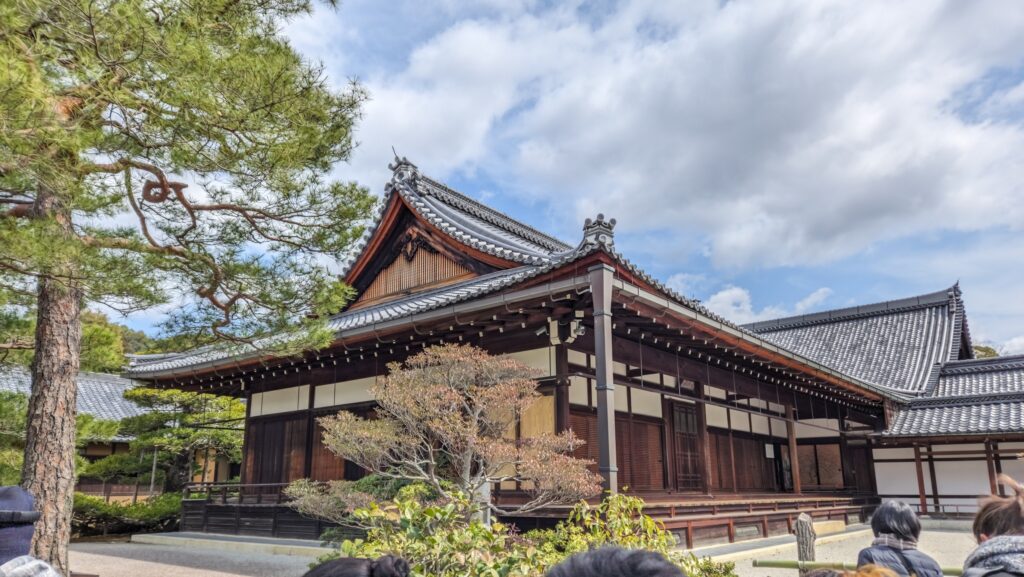
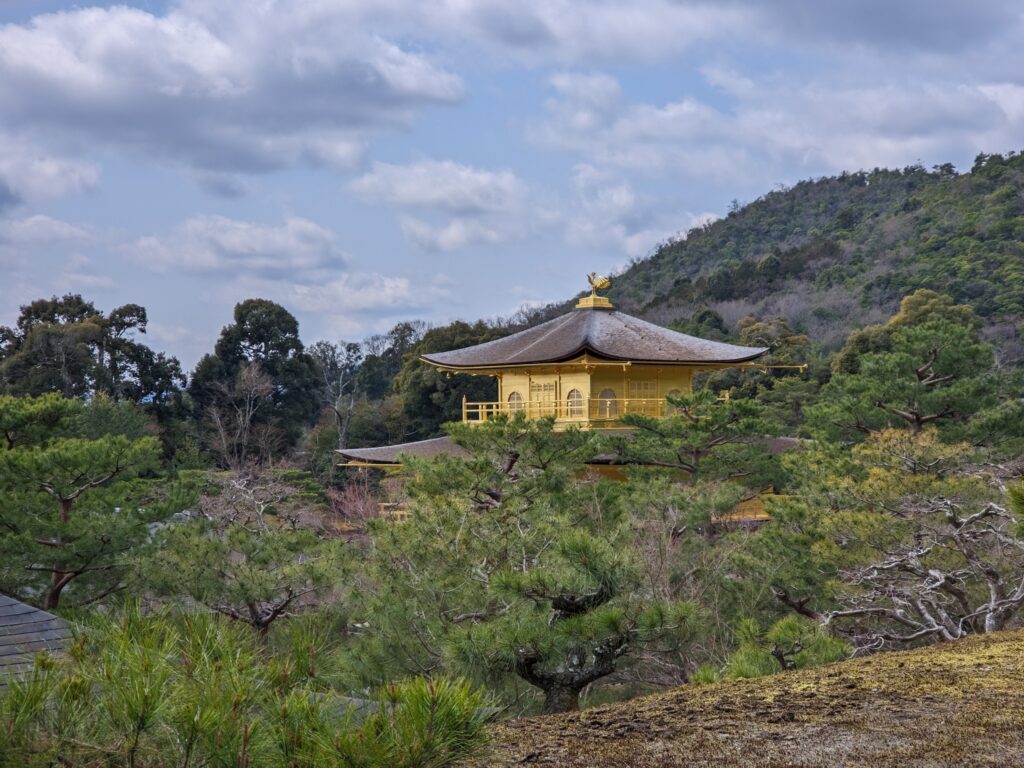
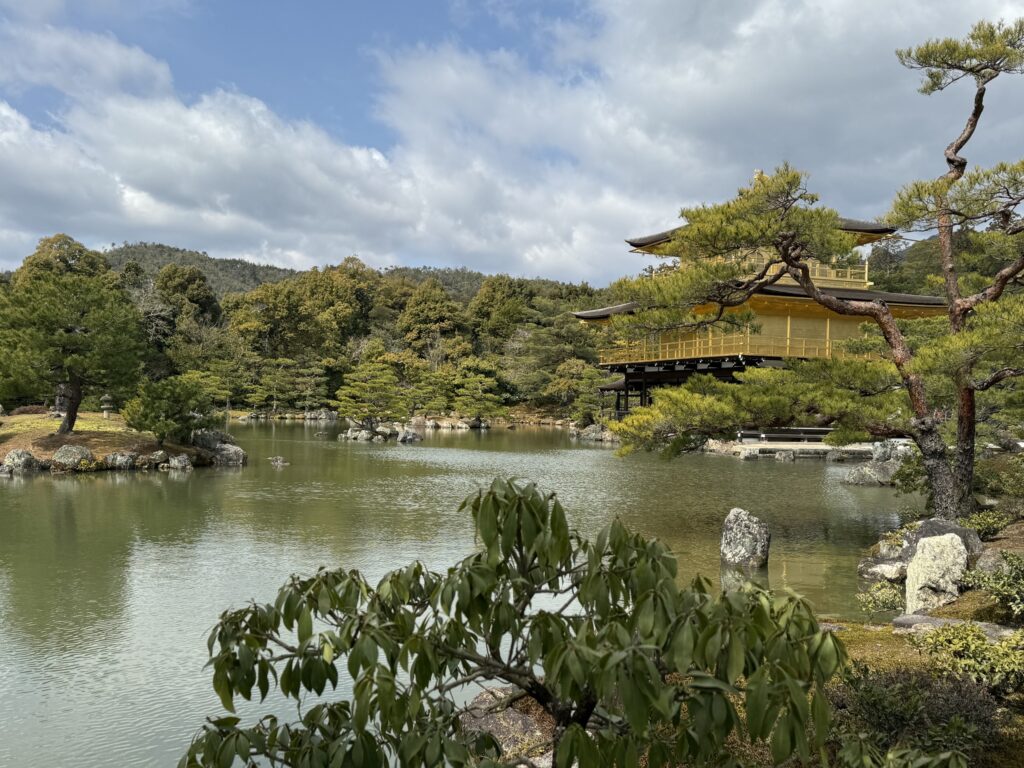
For our third day in Kyoto, our first port of call was the ‘Golden Temple’ – ‘Kinkaku-ji’ – a Zen temple originally built in 1397 as a retirement villa for the shogun. This was an easy subway and bus ride away from the hotel/station. Arriving at our usual 11am (we are not early risers!), we found the temple to be only moderately busy.

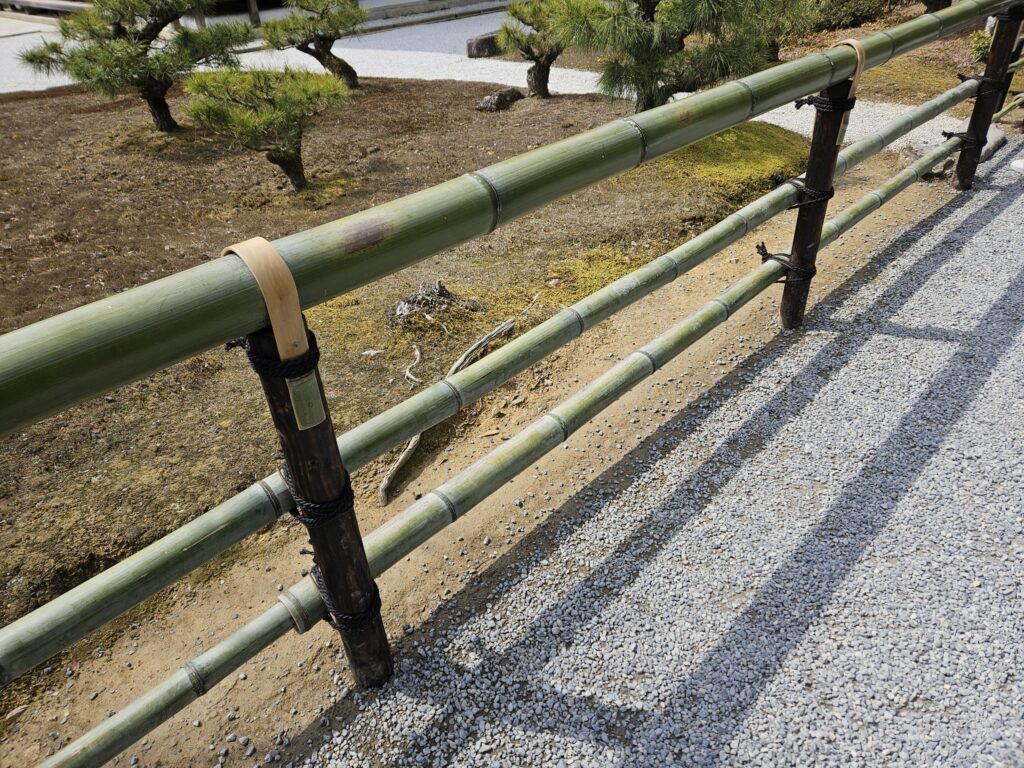
Stunningly beautiful! Like all the temples in Kyoto, it’s not just the building itself but the gardens and surroundings – everything created to be in perfect harmony.







Nijo-jo (Nijo Castle)
As we finished up at Kinkaku-ji a little earlier than expected, we decided to re-arrange our original schedule a bit, and pay a visit to another famous site in Kyoto – Nijo-jo (Nijo Castle). Nijo Castle was built in 1603 as the Kyoto residence of Tokugawa Ieyasu, the first shogun of the Edo Period (1603-1868). It’s located quite close to the city center, and an easy bus/subway ride from Kinkaku-ji.
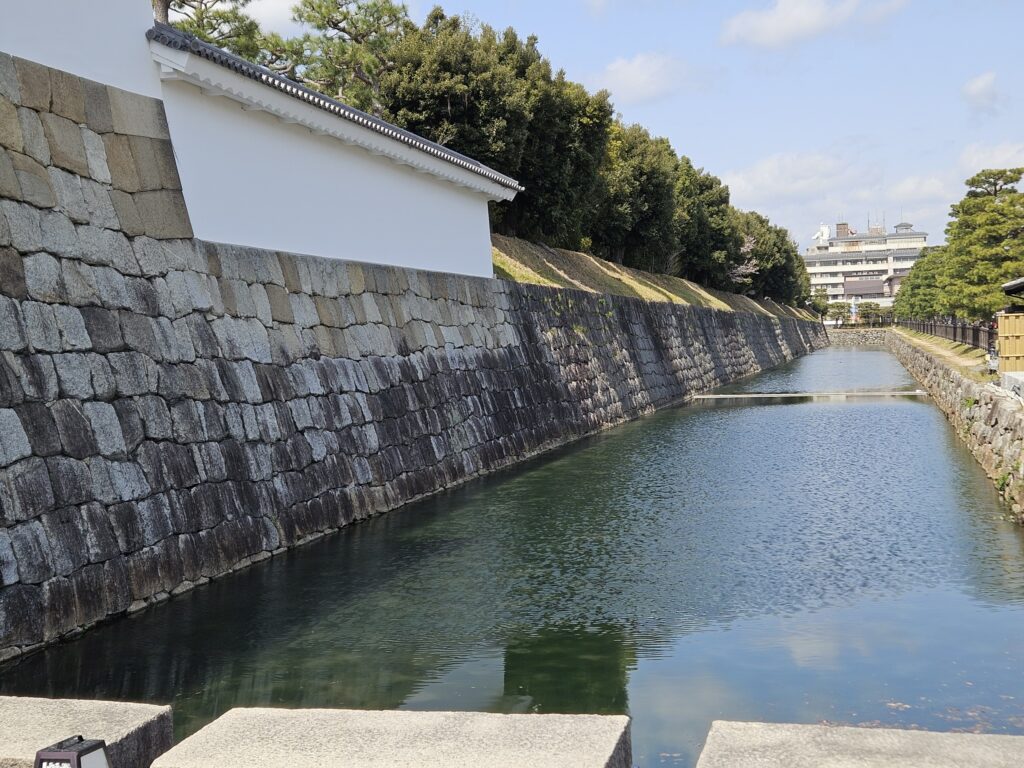
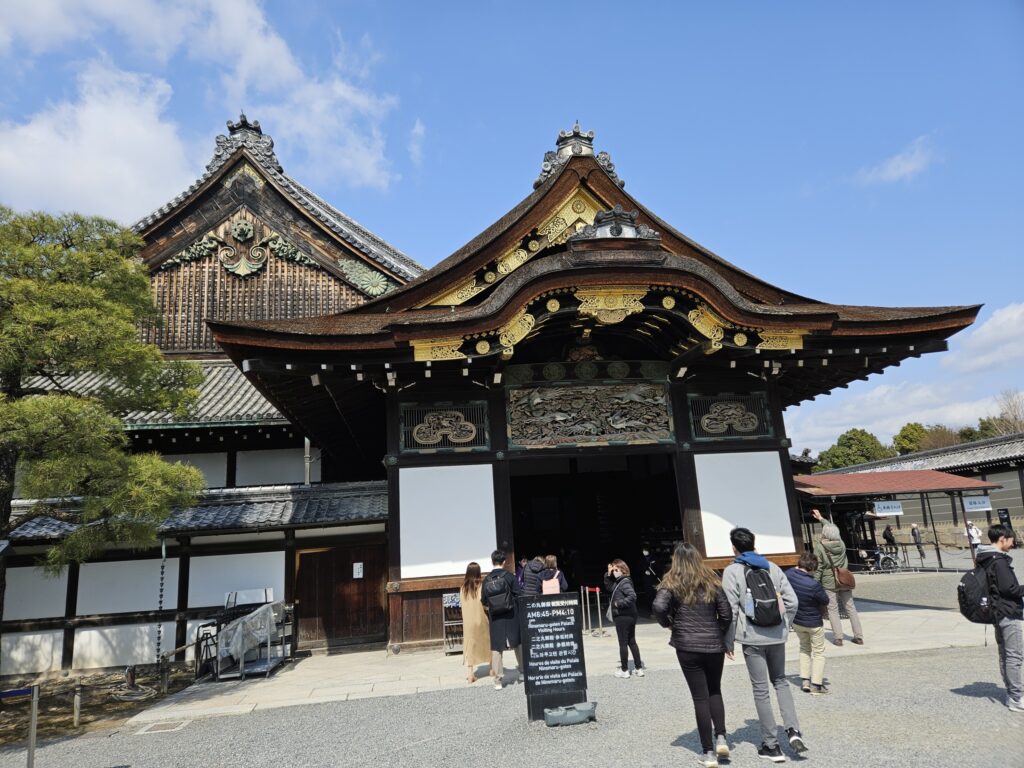
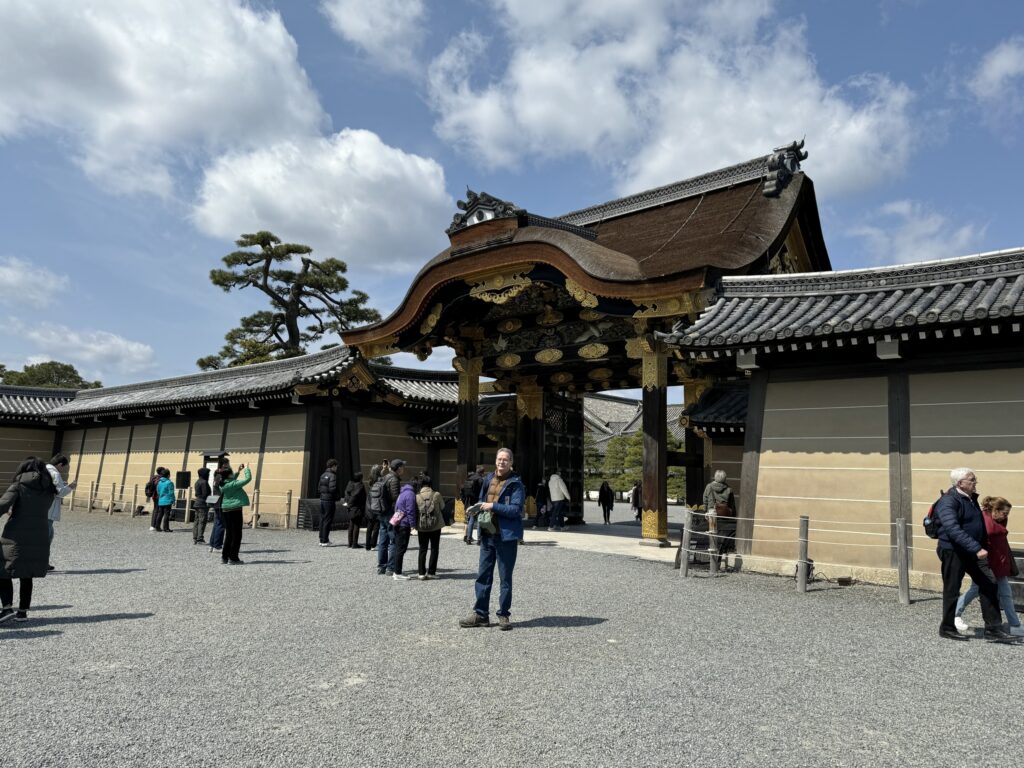
The castle occupies an entire city block, and is surrounded by a formidable wall and a moat. The entrance features a beautiful gate.



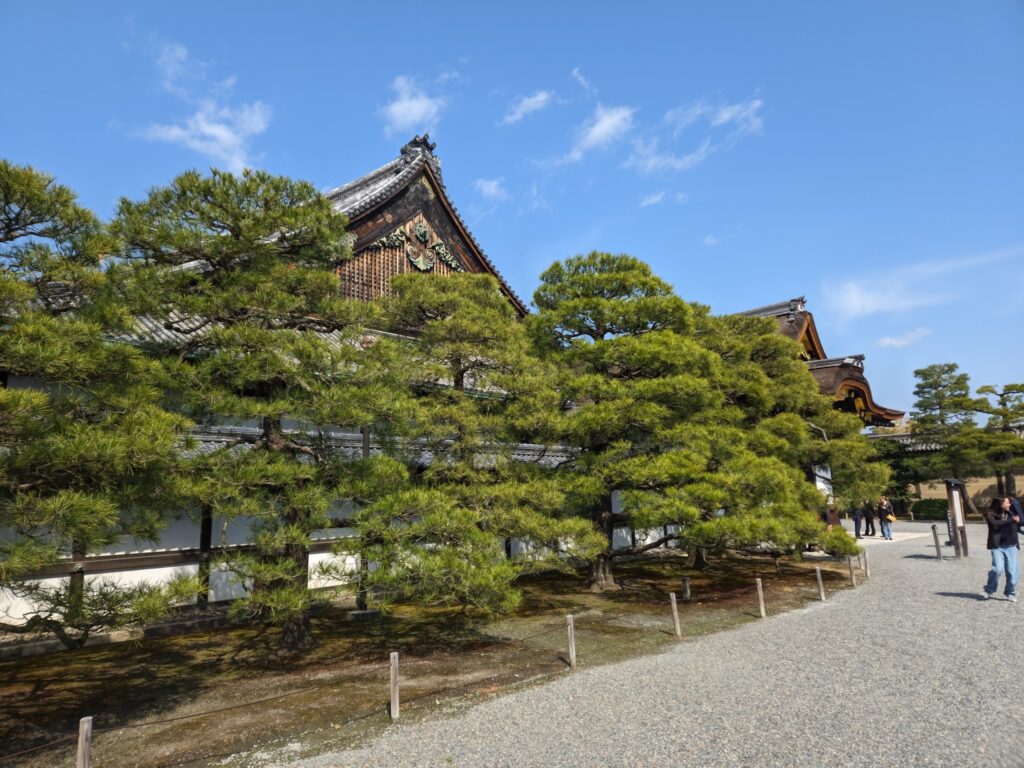
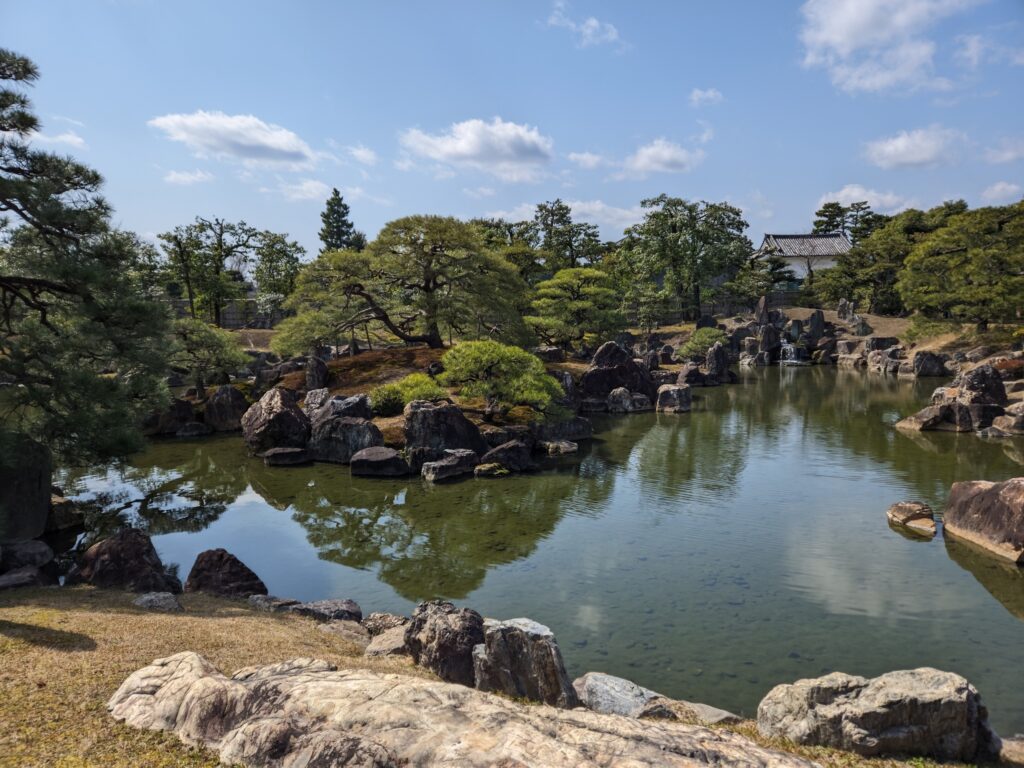
Once inside, the grounds are extensive and full of gardens, gates, and structures.







Osaka
Next stop – Osaka! Thanks to the amazing Japan Rail system, we were able to head to Osaka for a casual evening visit before returning to our hotel in Kyoto. While you can take the bullet train from Kyoto to Osaka (departing every 9 minutes), it turns out to be a little faster overall to get to our intended destination in Osaka (Dotonbori district) by taking a local train to Osaka and then a short subway ride (or so we thought).
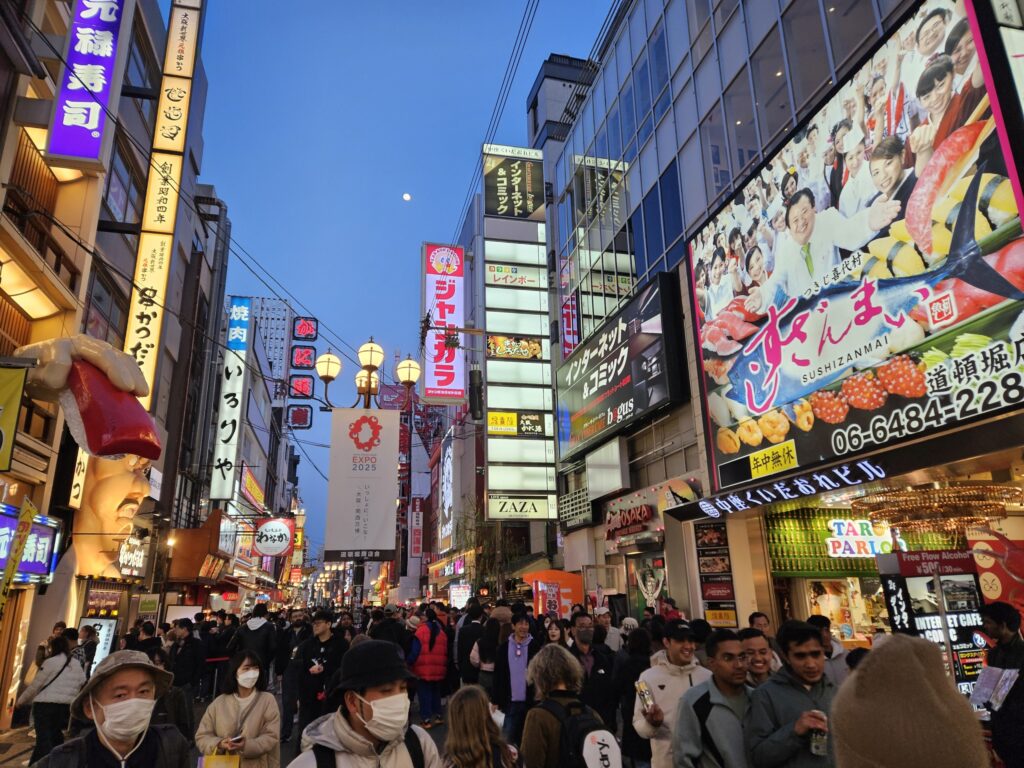
After a short subway ride, we arrived at the Namba station, closest to the Dotonbori district. After 3 days in Kyoto, which is all about history and culture, Osaka couldn’t be more different. It’s everything you might expect of modern Japan, with massive advertising screens lighting up the sky as far as the eye can see.
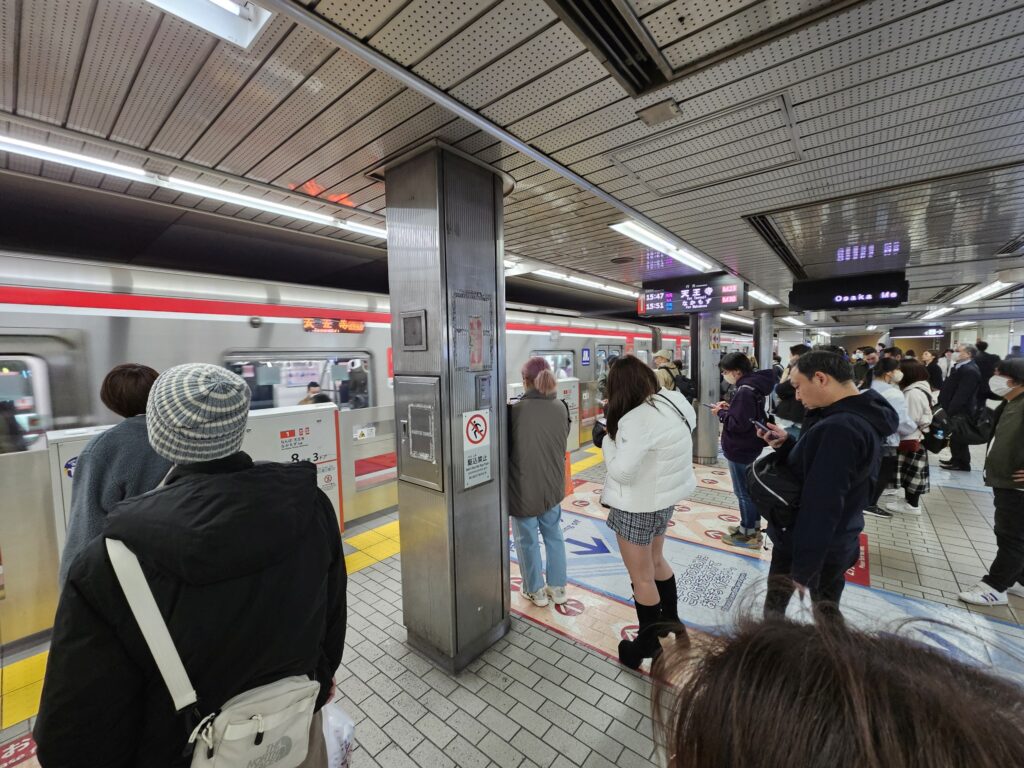

Osaka’s central station (Osaka Umeda) is a monster! Like Kyoto station, it’s part of a massive complex of shopping malls, food courts, department stores, bus and subway interchange stations, and more (this article reports “Umeda’s shopping area is the largest in Japan, even outsizing the Shinjuku shopping district of Tokyo”). The guides warned us it was easy to get lost, and we did! Even the connecting passageways between station areas are lined with high quality shops; areas that in most cities are either bare, covered in graffiti, or the province of homeless people.
Despite the fact that everywhere is crowded, the Japanese people are remarkably orderly. In the stations, there are markings everywhere telling you where to walk, where to stand, and everyone complies. And despite the crowds, it is relatively quiet – people lower their voices in crowded spaces as a courtesy to others.
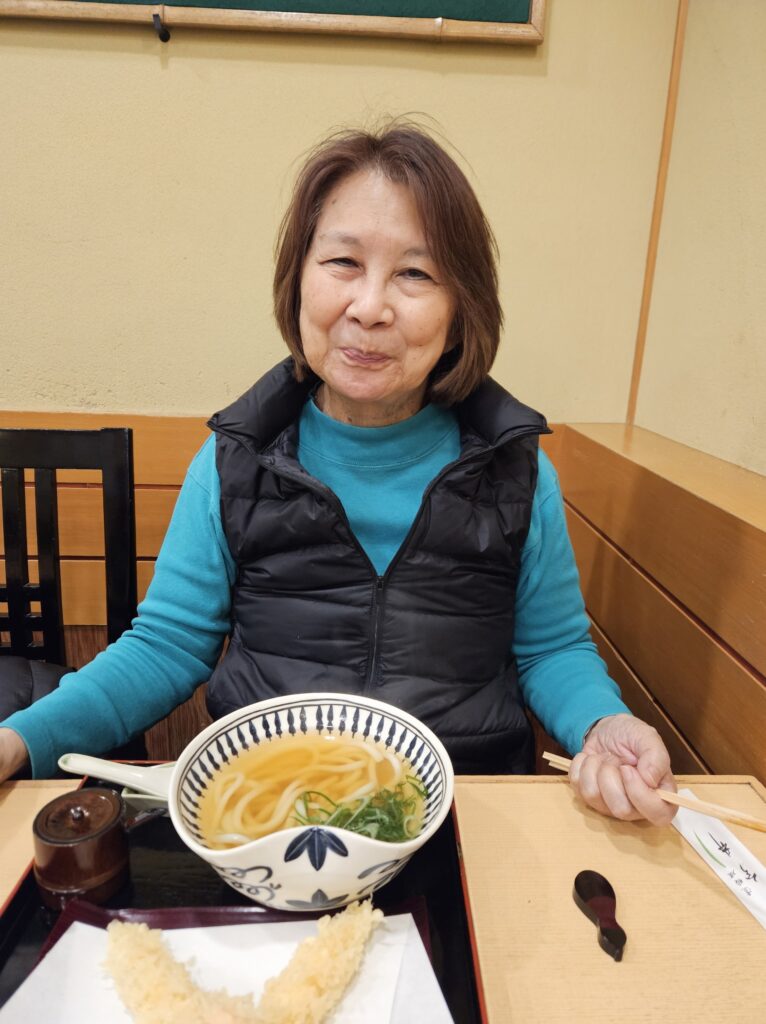
We had researched a restaurant in this incredibly crowded area ahead of time, and amazingly we found it – a teeny place hidden among huge storefronts. It was like stepping into a different universe; it was quiet, calm, and full of older people – obviously locals despite this being a huge tourist district.

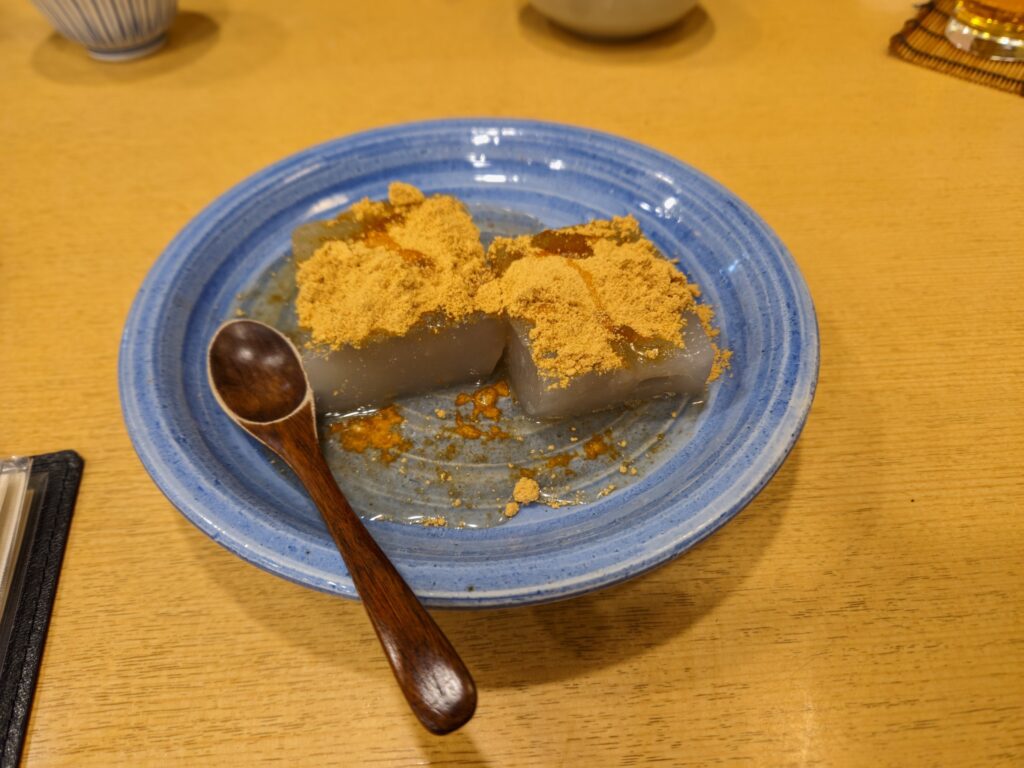

After a delicious, and very inexpensive, meal, we stepped back out into the madness of Dotonbori. In some ways, it was reminiscent of the scenes in the original ‘Blade Runner’.


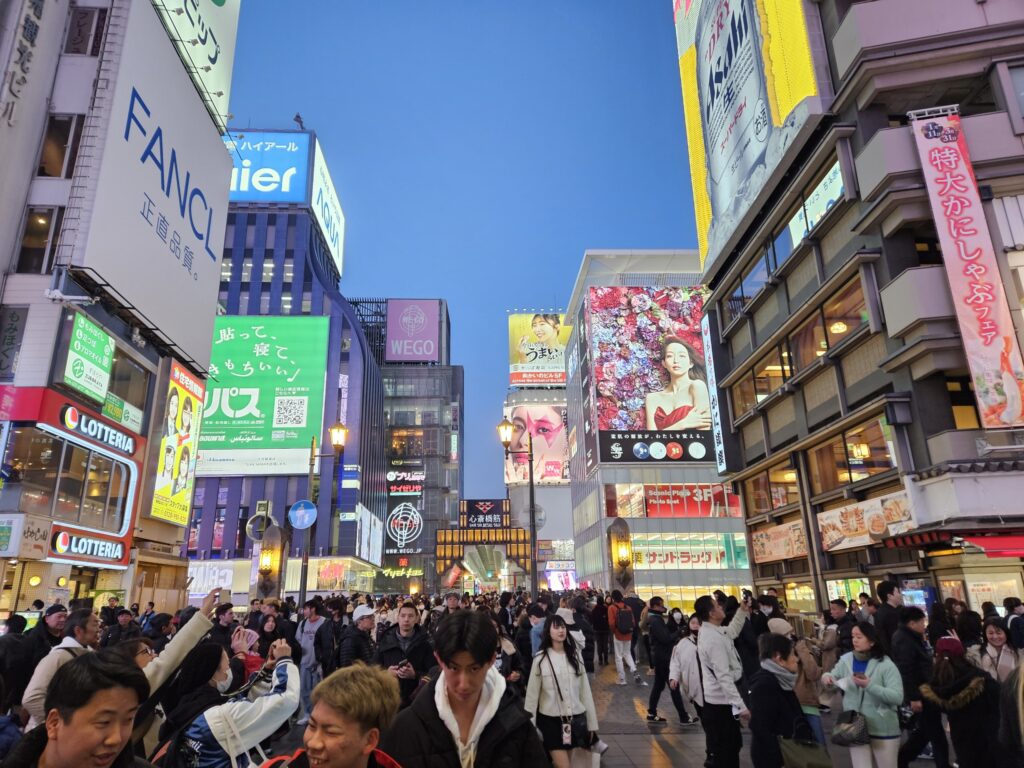
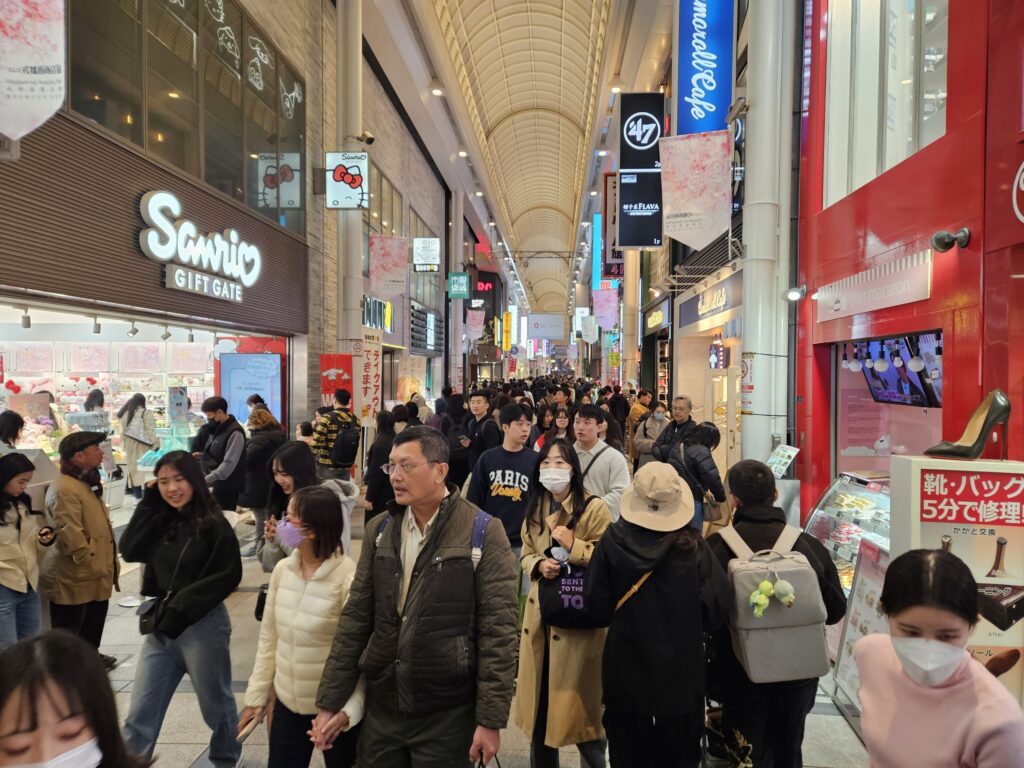

After experiencing this crazy shopping street, we moved over to the equally crazy river area (1 block away).
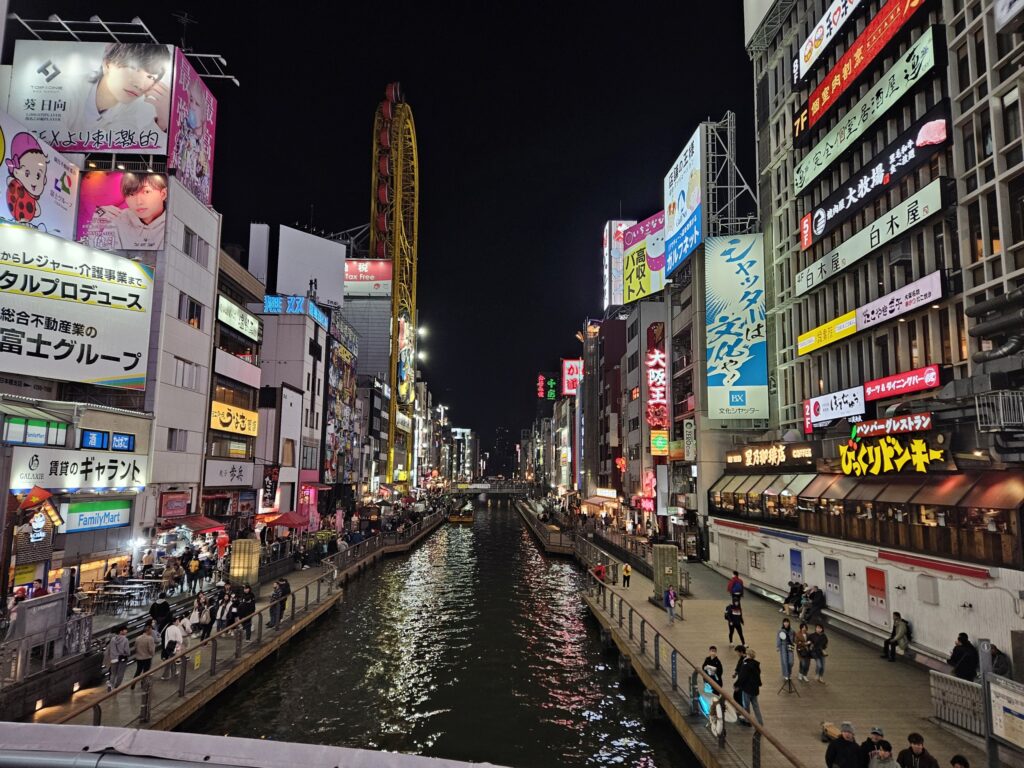


We had planned to take a river boat ride up and down the river, but we felt we’d seen enough just standing on the bridges, and decided to head back to Kyoto. On the way back, we took the subway all the way to the ‘Shin-Osaka’ station (‘Shin-‘ for Shinkansen) where we boarded the bullet train back to Kyoto.
Leave a Reply